

Aligning financial strategy with net zero is no longer an optional ethical consideration but a fundamental requirement for institutional resilience and market access. This session moves beyond high-level climate pledges to examine the actual scorecard of corporate progress, highlighting that many organizations are still at ground zero regarding substantive implementation. A key insight shared by the panelists is the shift from voluntary narrative reporting to mandatory, audit-ready disclosures that treat carbon as a primary financial metric. By focusing on aligning financial strategy with net zero, leadership teams can move past static target-setting and begin the difficult work of integrating climate-related risks directly into their capital allocation and budgeting processes.
The technical depth of this session explores the evolution of governance frameworks and the critical role of the Canadian Sustainability Standards Board in harmonizing local requirements with global ISSB norms. For professionals tasked with aligning financial strategy with net zero, the discussion provides a roadmap for utilizing data-driven benchmarks to measure performance against transition pathways. This involves not only tracking internal emissions but also assessing the carbon footprint of entire investment portfolios and supply chains. Successfully aligning financial strategy with net zero allows firms to lower their cost of capital while positioning themselves to capture the massive growth opportunities within the emerging sustainable finance ecosystem.
- Integration of ISSB and CSSB standards into core corporate governance and disclosure models.
- Methods for bridging the gap between long-term climate targets and immediate financial planning.
- Strategies for leveraging climate-related data to improve risk assessment and investor relations.
Watch the full panel discussion to gain the practical insights necessary for transforming your organizational scorecard from a statement of intent into a plan for measurable action.
Speakers
-

 Katerina Kindyni CLA Board Member | Financial Services Sustainability Lead EY Canada Moderator
 -
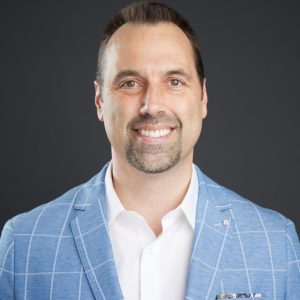 Edward Olson Partner, National Leader, ESG MNP Speaker
 -
 Sarah Thompson MD, Global Head of Sustainable Finance RBC Speaker
 -
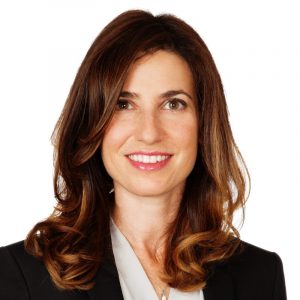 Kim Brand VP & Global Head, Sustainability Scotiabank Speaker