

Effectively managing cross-border sustainability risk has become the ultimate test for financial institutions operating in an increasingly fragmented geopolitical landscape. While climate goals remain global, the regulations governing them are becoming localized, creating a complex web of sanctions and energy blocs that leaders must navigate. This session moves beyond high-level theory to explain why managing cross-border sustainability risk requires a radical rethink of traditional supply chain and investment models. The panelists argue that in an era of political volatility, the ability to anticipate how regional climate-related security risks impact global capital flows is a distinct competitive advantage for any modern treasurer or chief risk officer.
The discussion delves into the technicalities of managing cross-border sustainability risk when faced with diverging carbon pricing regimes and trade restrictions. As energy blocs emerge and supply chains face constant disruption, financial institutions must develop more sophisticated stress-testing scenarios that account for both environmental and geopolitical shocks. Successfully managing cross-border sustainability risk involves a deep understanding of how local transition policies in one jurisdiction can create stranded assets or regulatory liabilities in another. By integrating multi-layered data sets that include geopolitical intelligence and climate modeling, firms can better protect their international portfolios. Ultimately, managing cross-border sustainability risk is about building operational resilience that can withstand the friction of a world where sustainability without borders is no longer a given.
- Strategic adaptation to diverging regulatory regimes and the impact of climate-related sanctions on global trade.
- Methods for stress-testing international portfolios against regional energy shocks and supply chain fragility.
- Best practices for aligning multi-jurisdictional reporting standards in a fractured political environment.
Watch the full panel discussion to gain critical insights into safeguarding your global operations against the rising tides of geopolitical and climate volatility.
Speakers
-

 Katerina Kindyni CLA Board Member | Financial Services Sustainability Lead EY Canada Moderator
 -
 Michael Torrance VP, Chief Sustainability Officer BMO Speaker
 -
 Stephane Tardif OSFI MD, Climate Risk Division OSFI Speaker
 -
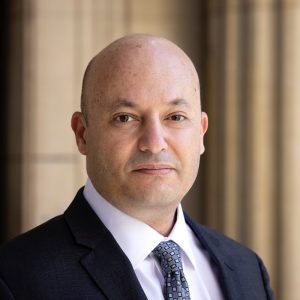 Amr Addas Sr. Director, Sustainable Finance & Insights FCC Speaker
 -
 Bill Gilliland Partner, Sustainable Finance Dentons Speaker